
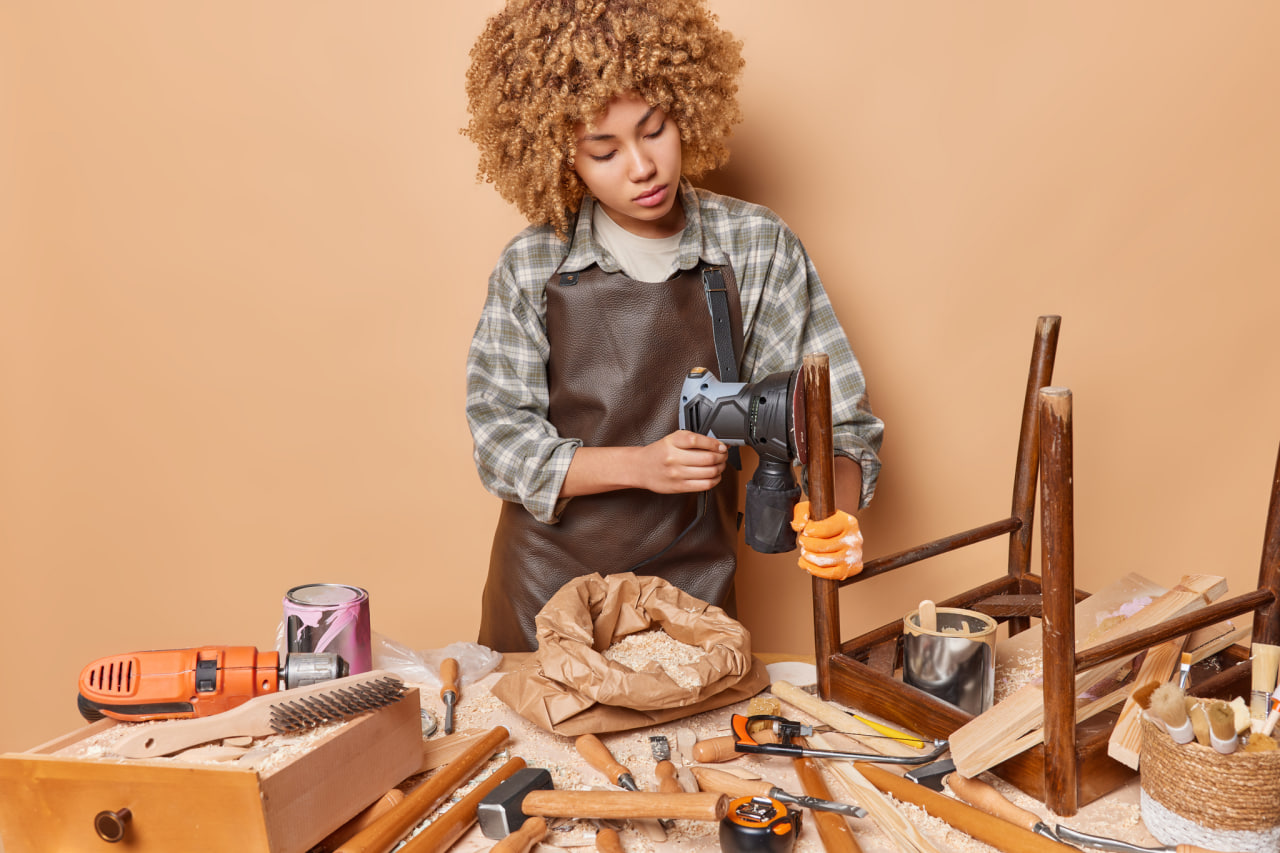
Understanding materials and mastering the techniques to work with them is key to successful DIY projects. Whether you’re creating furniture, home accessories, or organizational tools, knowing which materials to use, how to prepare them, and how to apply proper techniques ensures your creations are durable, functional, and visually appealing. This guide provides a comprehensive overview of material mastery and techniques for weekend home projects.
Choosing the Right Materials
The foundation of any successful DIY project is selecting the appropriate materials for the task at hand.
Wood
Softwoods like pine and cedar are lightweight and easy to cut, perfect for beginners and small furniture. Hardwoods like oak and maple are durable, ideal for furniture that will bear weight. Plywood and MDF are versatile and cost-effective for shelves, boxes, and decorative pieces.
Fabric
Cotton and linen are easy to handle and suitable for cushions, throws, and decorative covers. Synthetic fabrics provide durability and stain resistance for high-use items.
Paper and Cardboard
These are lightweight, flexible, and ideal for small organizational projects or decorative elements. Layering and folding can increase their strength.
Metal and Hardware
Small screws, brackets, nails, hooks, and hinges are essential for assembly and stability. Choosing compatible hardware ensures the longevity of your projects.
Understanding the properties of materials—strength, flexibility, texture, and finish—helps you make informed decisions for each project.
Essential Techniques for Beginners
Mastering basic techniques is crucial for producing quality results and gaining confidence as a maker.
Measuring and Planning
Accurate measurements and a clear plan prevent mistakes, reduce waste, and ensure pieces fit together correctly.
Cutting and Shaping
Using the correct tools for each material allows for precise cuts and smooth edges. Sanding after cutting ensures a professional finish.
Joining and Assembly
Learn to use screws, nails, dowels, or adhesives depending on the material and purpose. Clamps and supports help maintain alignment during assembly.
Finishing Techniques
Painting, staining, varnishing, and sealing protect materials and enhance their visual appeal. Applying multiple thin coats yields better results than a single thick layer.
Practicing these techniques repeatedly strengthens your skills and improves the quality of each new project.
Material-Specific Tips
Each material has unique characteristics that require special handling:
Wood: Always sand edges, pre-drill screw holes to prevent splitting, and apply a finish appropriate for the intended use.
Fabric: Pre-wash fabrics to avoid shrinkage, press seams for clean lines, and use pins or clips to hold pieces in place while sewing or gluing.
Paper and Cardboard: Reinforce edges with tape or glue for durability, and layer for added strength when creating storage solutions.
Metal: Smooth rough edges with files, avoid over-tightening screws, and use rust-resistant finishes for longevity.
Adapting your technique to the material ensures better results and fewer mistakes.
Combining Materials
Many successful DIY projects use a combination of materials to achieve both function and style.
Wood and Fabric: Build a small stool with a cushioned seat.
Wood and Metal: Construct a shelf with brackets or hardware for stability.
Paper and Wood: Create decorative boxes or organizers with layered textures.
Combining materials thoughtfully increases versatility and allows for creative customization.
Tools for Material Mastery
Having the right tools is as important as understanding the materials. Basic tools include:
Measuring tape, rulers, and squares for accurate planning
Saws, scissors, or knives for cutting
Hammers, screwdrivers, drills, and clamps for assembly
Sandpaper, brushes, rollers, and applicators for finishing
Proper use of tools ensures safety, precision, and professional-looking results.
Tips for Successful Weekend Projects
Plan Ahead: Gather all materials and tools before starting.
Start Small: Choose beginner-friendly projects to build confidence.
Focus on Technique: Practice key techniques on scrap material before applying to the final project.
Prioritize Safety: Wear gloves, goggles, and masks as needed and maintain a clean workspace.
Following these guidelines ensures that your weekend projects are achievable, safe, and satisfying.
Building Skills Through Practice
Material mastery and technique are developed over time through consistent practice. Each project reinforces measurement, cutting, assembly, and finishing skills. As you gain experience, you’ll be able to handle more complex projects, combine materials creatively, and complete items that are both functional and visually striking.
Mastering materials and techniques not only improves the quality of your DIY creations but also boosts confidence, encourages experimentation, and turns weekend projects into a rewarding and ongoing creative practice.